Click here to share the message on Twitter!
ORFTC Fair Trade Monitor
Fair trade update from the Oregon Fair Trade Campaign, August 2016
In this issue:
1. We Rocked Against the TPP!
2. Keeping up the #RockAgainsttheTPP momentum
3. Time to get in the street to shout out loud!
4. Let’s keep working, week after week, to stop the Trans-Pacific Partnership
5. White House says it sees a path to approval of Pacific trade deal
 We Rocked Against the TPP!
As the White House readies a last minute desperate push to pass the Trans-Pacific Partnership, large crowds descended on Portland for the Rock Against the TPP Oregon weekend of action. Oregonians took action, educated themselves, had fun and enjoyed a great concert! This was part of a nationwide protest tour featuring celebrities such as Golden Globe nominated actress Evangeline Lilly, comedian Hari Kondabolu, and punk rock legends Anti-Flag. The tour next stops in San Francisco on September 9th at Regency Ballroom with an event featuring Jello Biafra, Grammy winning latin alternative band La Santa Cecilia, and riot-grrrl cello legend Bonfire Madigan. Additional tour dates to be announced, for more information visit www.RockAgainsttheTPP.org.

A huge thanks to all of the over 55 local and regional endorsers! Full list here Many thanks to some of the organizations who went above and beyond to make this weekend of action a success: UFCW Local 555 for all of your support in printing the massive amounts of materials for promotion and the events. Portland Jobs with Justice for organizing the March Against the TPP. Sierra Club for speaking, providing staff support, and phone banks. Teamsters for artist transportation. Greenpeace and 350PDX for organizing art makes and creating awesome props. Machinists, Portland Committee for Human Rights in the Philippines, and ILWU for recruiting volunteers. Cascade AIDS Project, Burgerville Workers Union, Fair World Project, Pride@Work, OPAL Environmental Justice Oregon, Machinists, GABRIELA Pdx, and Black Lives Matter Portland for speaking. Thank you!
Portland VIDEO, more info and PHOTOS here
PDX Rocks Against the TPP Photo Station
Fair World Project on why they are Rocking Against the TPP
The Pacific Northwest Raises the Volume Against the TPP – Greenpeace
Keeping up the #RockAgainsttheTPP momentum
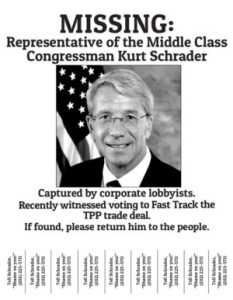
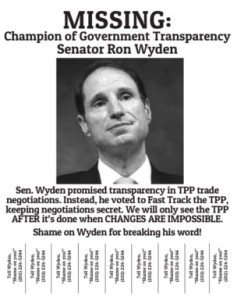
 On Tuesday August 23rd there was a new addition to the Capitol skyline in Salem. As USW, UFCW, ORFTC, and others gathered on the steps of the capitol, a 25 foot blimp flew in the sky reminding Gov. Kate Brown, Rep. Kurt Schrader, and Sen. Ron Wyden that the TPP is bad for democracy, bad for US jobs, bad for our planet, and bad for Oregon. Speakers at the rally reminded the Governor, who recently came out in favor of the TPP, of the loss to Oregon manufacturing since the passage of NAFTA, the lack of worker protections in the TPP, and the dim economic projections in the recent International Trade Commission Report on the pact. More information here. After the rally participants went to Rep Kurt Schrader’s Salem office to deliver messages from hundreds of constituents asking him to oppose the TPP.

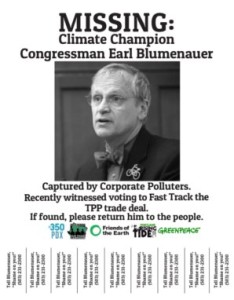
Constituents speaking with Rep Blumenauer’s staff
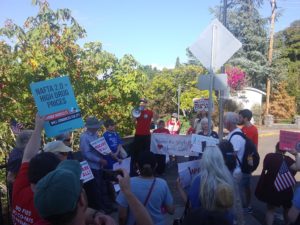
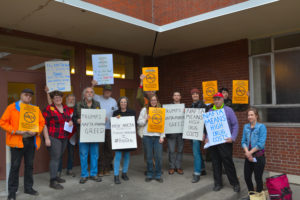
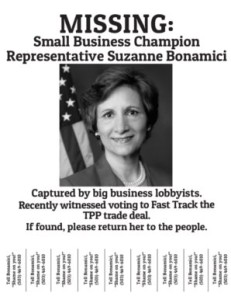
The following week Portland and Beaverton fair trade advocates came out in force to send a very loud message to both Rep. Earl Blumenauer and Rep. Suzanne Bonamici that they are out of step with their party, their districts, and their state when it comes to their indecision on the TPP. In addition to delivering hundred of Bad Trade Kills Good Jobs and Rock Against the TPP postcards, constituents spoke with congressional staff expressing why they are asking their Representatives to come out against the Trans-Pacific Partnership. Thank you to the members of CWA Local 7901, Alliance for Democracy Portland, Beaverton Social Justice League, USW, Oregon AfterBern, Portland Jobs with Justice, 350PDX, and so many more who showed up to stop the TPP!
Time to get in the street to shout out loud!
David Delk, Alliance for Democracy

Alliance for Democracy taking it to the streets!
For over a year the Alliance for Democracy has been doing just that with our twice weekly street corner sign holding. Designed to get the attention of drivers at one of the busiest intersections in Portland (E. Burnside and SE Martin Luther King Jr Blvd), we have flyers to hand out explaining the dangers of TPP to democracy, the environment, and labor. YOU ARE WELCOME TO JOIN US! Either just show up or to get on the Alliance e-mail list email me at davidafd@ymail.com.
Want to just show up? Great! Join us on Tuesdays beginning at 2:30pm or Friday at 4pm. Check the Alliance for Democracy TPP Action webpage to confirm times.
It is time to expand these actions, so if the above times do not work for you contact me at davidafd@ymail.com to see if something else can be arranged.
Let’s keep working, week after week, to stop the Trans-Pacific Partnership
Herman M Frankel, M.D.

Constituents gathering outside of Rep. Bonamici’s office in Beaverton
Bravo, ORFTC and Rock Against the TPP friends! Now more public events, and what else?
Some of you are already phoning lawmakers weekly or more often reminding them Oregonians oppose the TPP. You tell them that the TPP would enable corporations to disable our government’s sovereign power to protect our environment, our working people, and our planet; would cost good jobs and suppress wages; and would increase climate change and other environmental damage.
I want to help. Every week I organize a series of phone actions. You’ll get copies of the letters and documentation I send to our lawmakers, reports about specific devastating effects of the TPP, and one-minute phone message samples (with phone numbers).
Please tell me if you want to join me and let’s keep working together! E-mail me at frankelh@comcast.net for more information and to get added to the weekly updates.
White House says it sees a path to approval of Pacific trade deal
WASHINGTON (Reuters) – The White House said on Monday (8/29/2016) it could still win congressional approval of the Trans-Pacific Partnership trade pact before President Barack Obama leaves office, and warned that failing to do so would undermine U.S. leadership in the area. “The President is going to make a strong case that we have made progress and there is a path for us to get this done before the President leaves office,” White House spokesperson Josh Earnest told a news briefing ahead of Obama’s trip to Asia this week. Continue Reading Here
Take Action Against the TPP Now!
Have you written an e-mail to your Congressperson telling them to oppose the TPP today? You can do so right here!





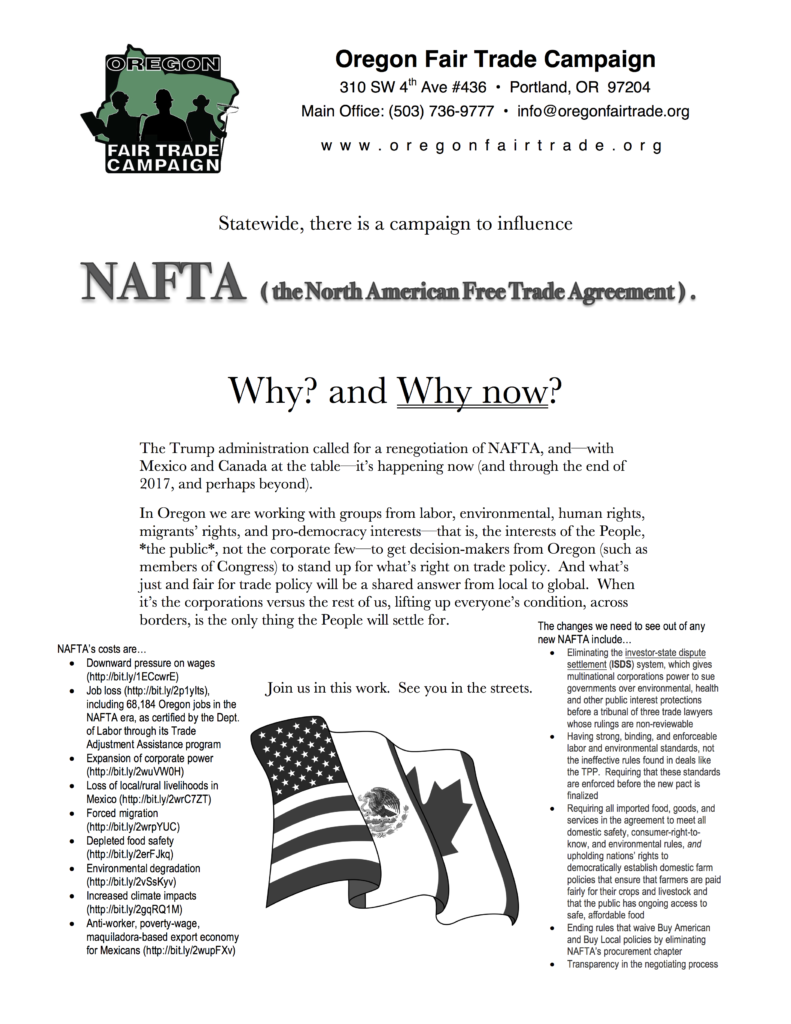

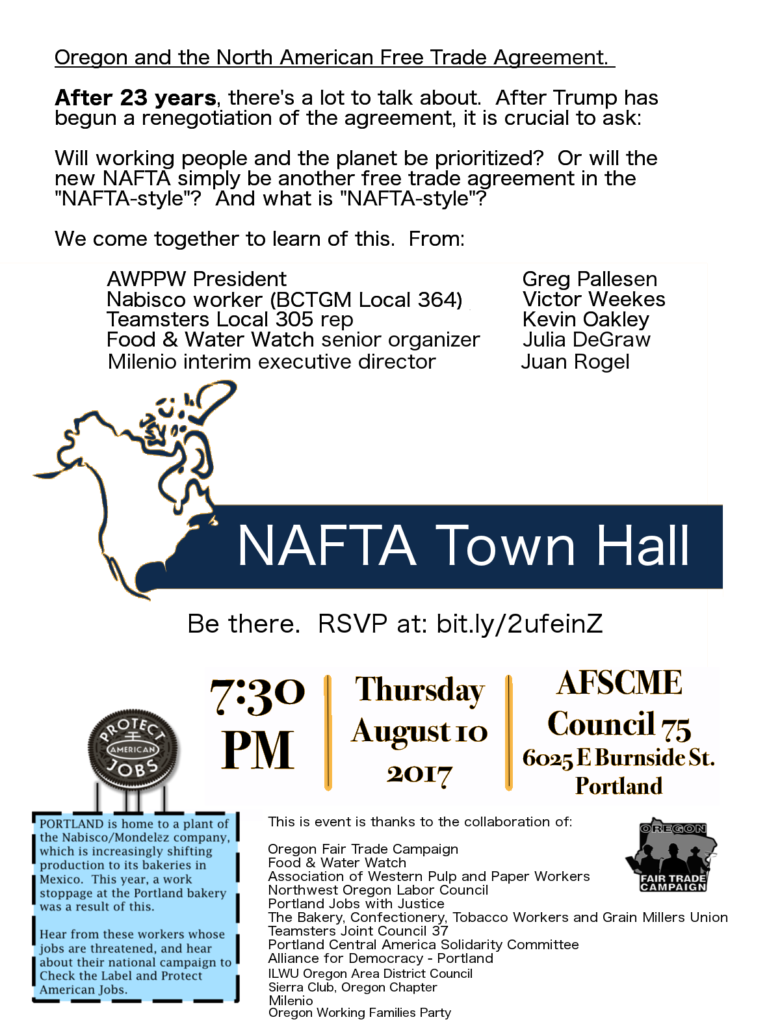 RSVP to indicate your presence at this, here
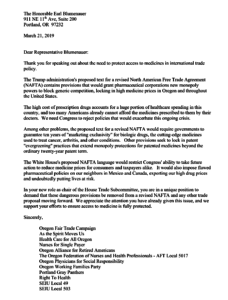
  Yesterday, the USTR released the awaited (eighteen-page) document outlining its negotiating objectives for when — in thirty days — the U.S. is at the table with Mexico and Canada, to redo NAFTA. You can see the USTR’s document
  This comes from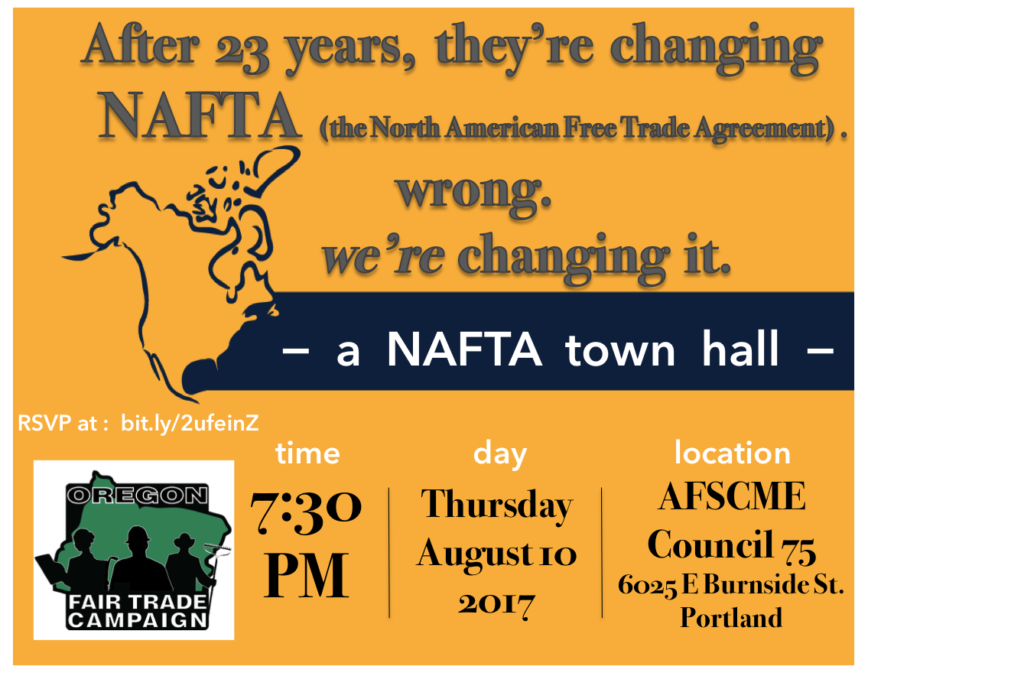
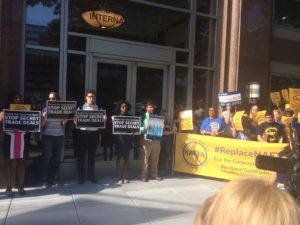
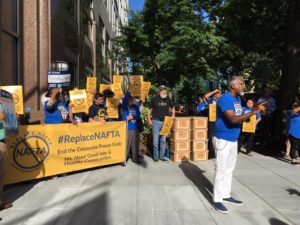
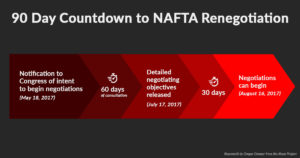 This graphic shows the timeline on how NAFTA renegotiation will proceed. The period for submitting public comments to the USTR ends THIS MONDAY, June 12. Get them in.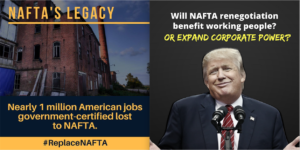
 Rock Against the TPP WEEKEND OF ACTION is coming to Oregon!
 Featuring: Anti-Flag(acoustic), Golden Globe nominated actress Evangeline Lilly, Hari Kondabolu, Downtown Boys, Bell’s Roar, Danbert of Chumbawamba, Son of Nun, Taina Asili, and more
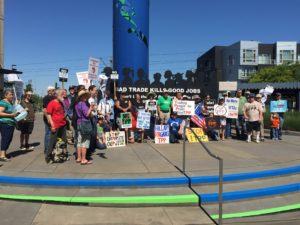
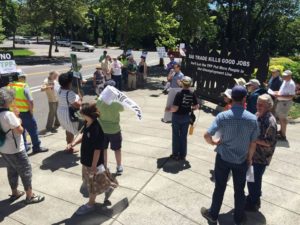
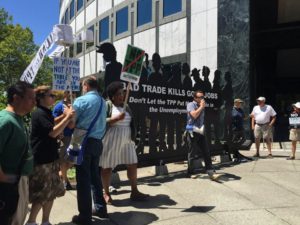
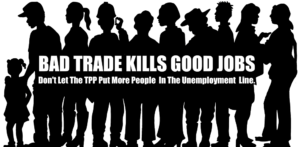
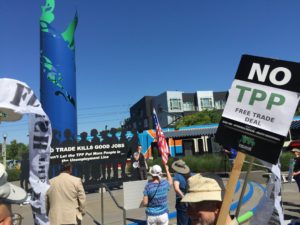 Portland & Beaverton, Oregon — Labor and community advocates held rallies and press events in Beaverton and Portland this week to discuss the release of a new government study that finds Oregon jobs in manufacturing, agriculture, forest products and the service sector are at risk under the proposed Trans-Pacific Partnership (TPP) trade agreement. In front of a giant prop representing an unemployment line, they called on area Congress members Suzanne Bonamici (D-01) and Earl Blumeanuer (D-02) to oppose the TPP.
 The U.S. International Trade Commission (ITC) recently published its official findings on the TPP, which reveal:
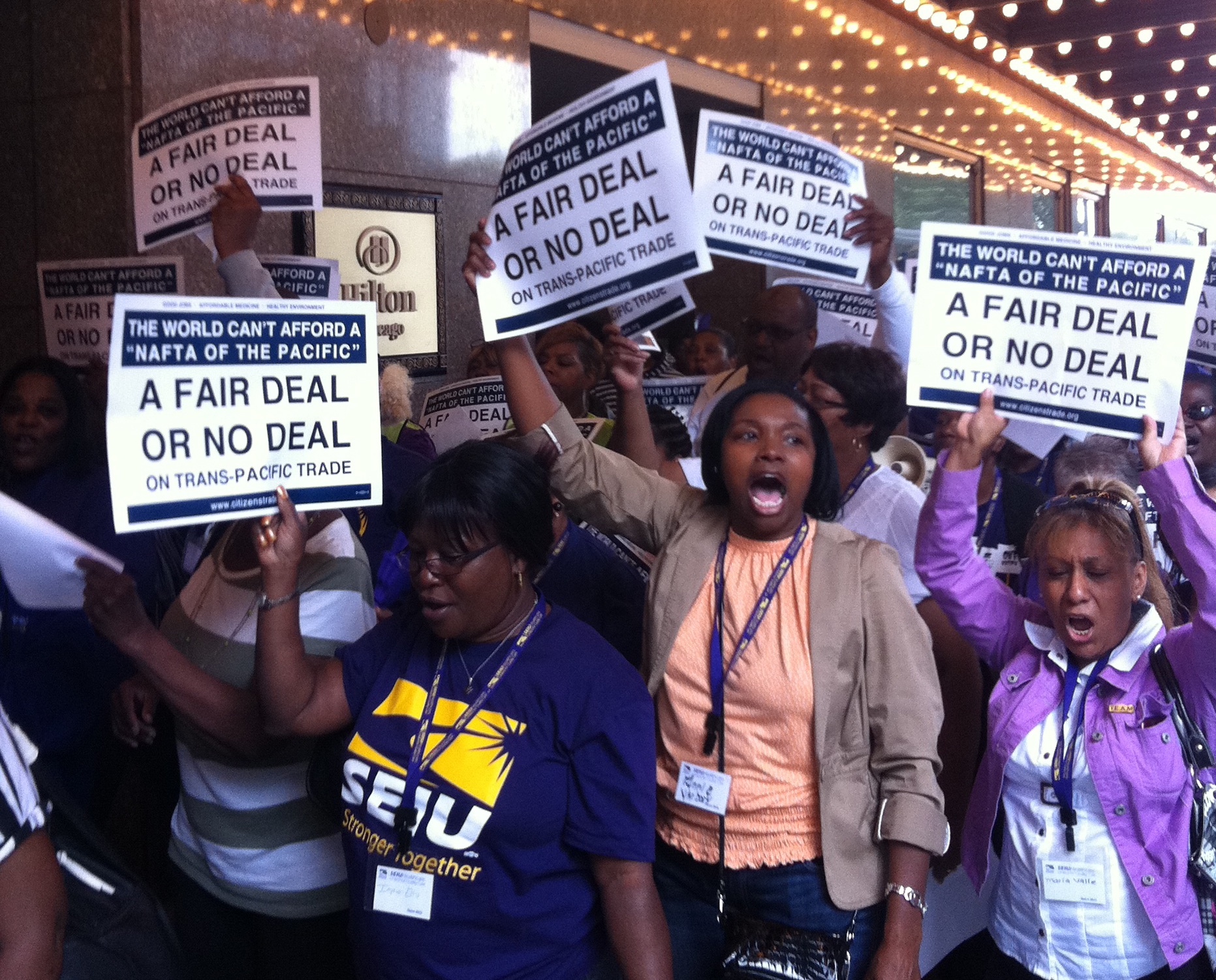
 The TPP was signed in February, but has not yet been submitted to Congress for a vote. It is widely expected to be considered by Congress later this year. Leading presidential candidates Hillary Clinton, Bernie Sanders and Donald Trump have all criticized the TPP as bad for American jobs, and have said it should not be approved by Congress. Representatives Bonamici and Blumenauer, however, have said they are undecided on the TPP.
  The ITC report’s unexpected findings included that the TPP would provide almost no gains for U.S. economic growth (only 0.15 percent by 2032) while reducing employment in manufacturing, shrinking the U.S. service sector trade surplus and increasing the overall U.S. trade deficit. Because the agency employs a model that incorporates unrealistic assumptions, such as constant full employment and no currency manipulation, past projections have systematically overstated the benefits of trade pacts relative to their outcomes.
  “
“
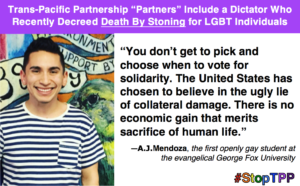
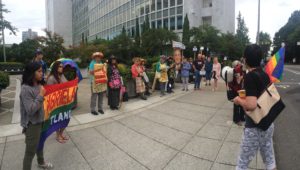
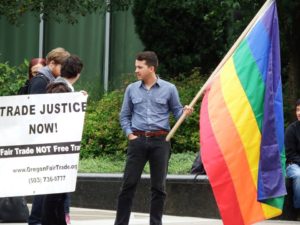 AJ Mendoza, a queer activist, noted, “You cannot merely share sympathy with LGBTQ victims of the Orlando massacre and call yourself an ally. If you are an ally, you don’t get to pick and choose when to vote for solidarity” Mendoza, who became the first openly gay student at George Fox University, an evangelical university in Newberg, Oregon, now serves as Executive Director of One George Fox, and is no stranger to empty words. “The United States has chosen to believe in the ugly lie of collateral damage. There is no economic gain that merits sacrifice of human life.”
 Jobs remained at the forefront of the rally, which accumulated signatures for an emerging campaign, “Bad Trade kills Good Jobs.” Be Marston, an organizer at PRIDE @ Work and lead Bartender at Portland 5 shared, “The struggle for queer justice and the struggle of the labor movement are deeply connected. Like the stonewall riots, we are not here to meet the status quo of corporate interests, we are here to fight power.” Nghia Nguyen, a local trans community activist, declared, “We will not let corporations co-opt our movement. Queerness has been challenging colonialism and capitalism for hundreds of years, and we will fight the TPP that values profit over people.”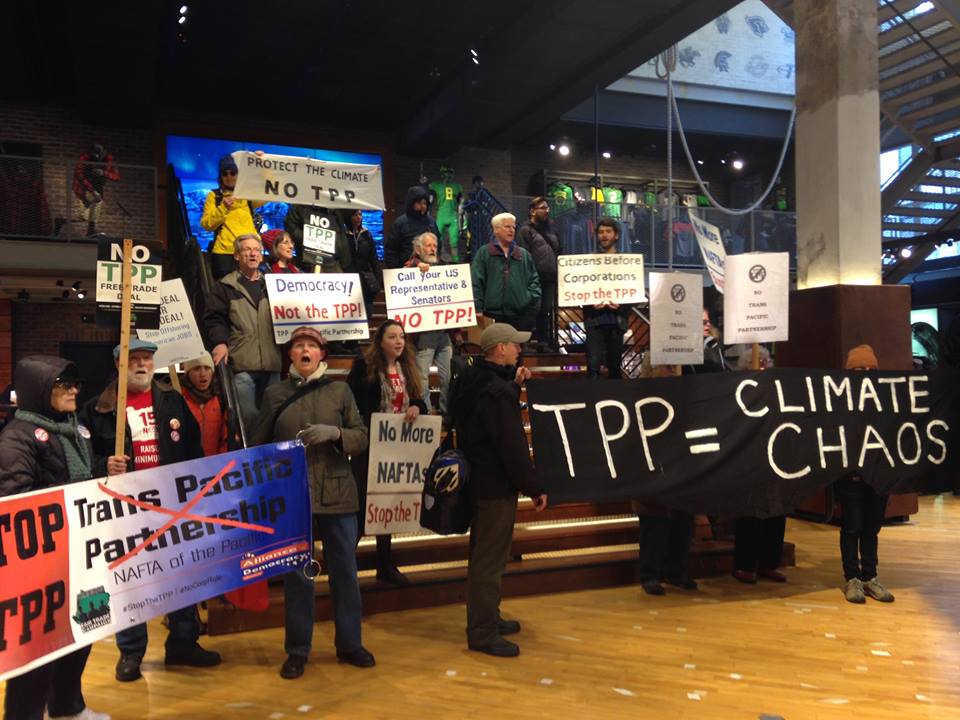



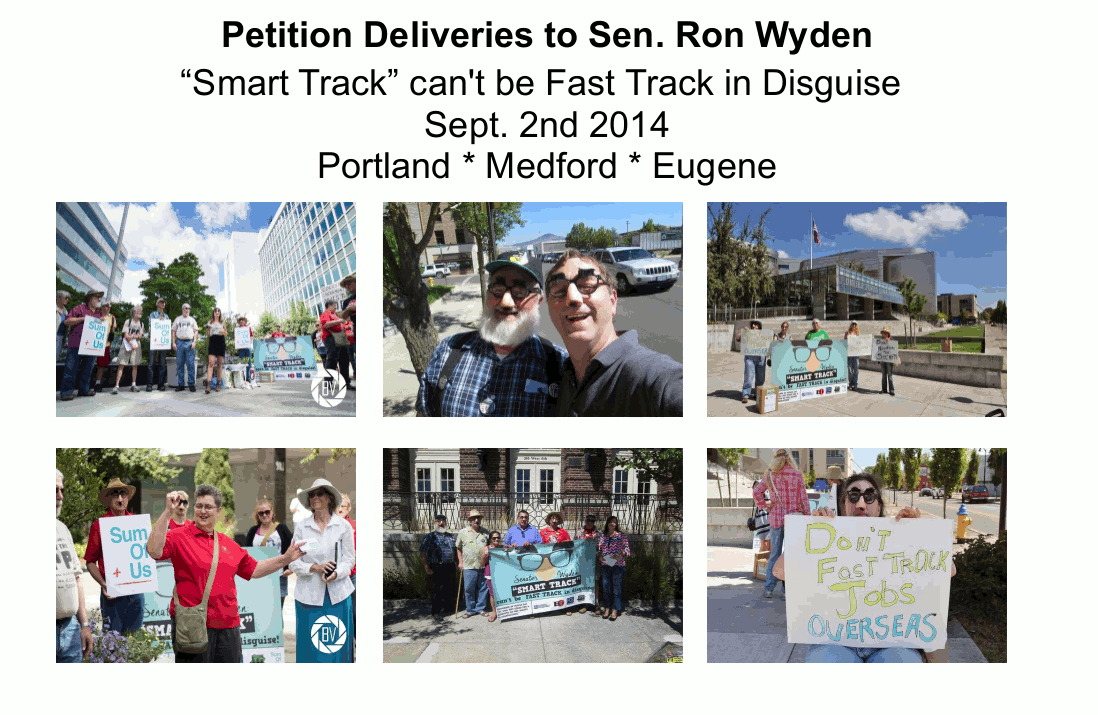
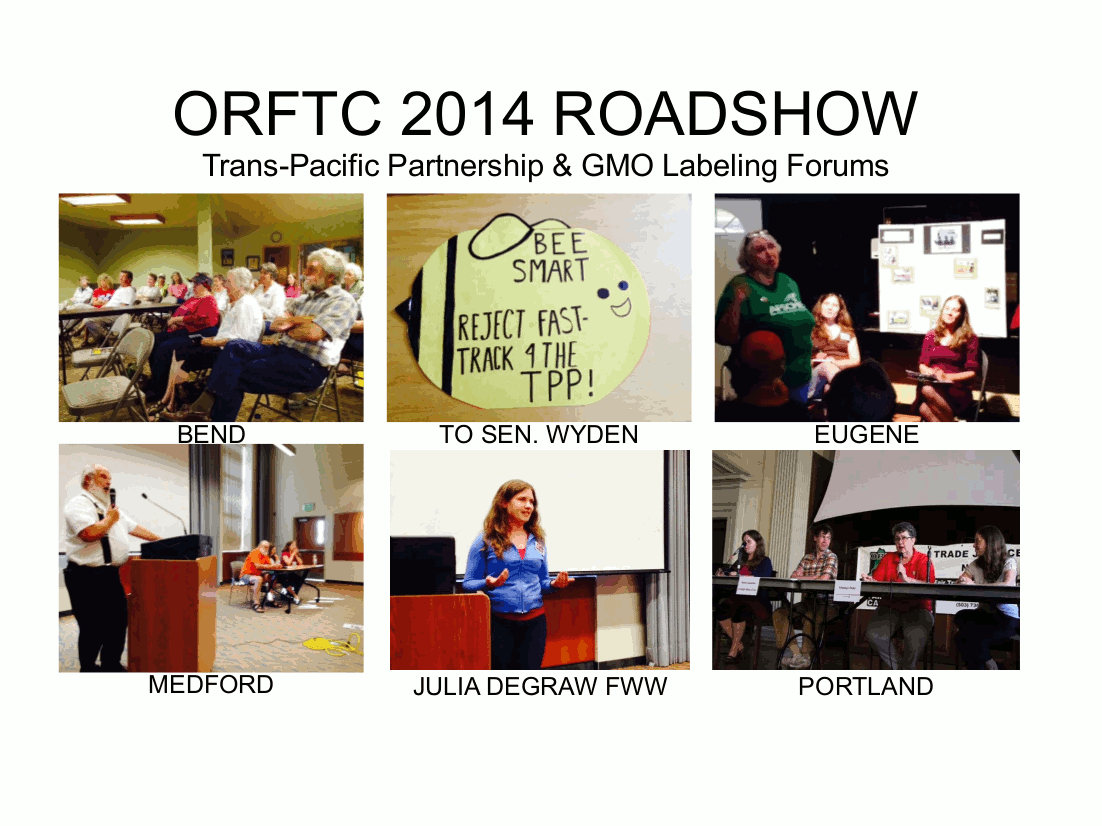


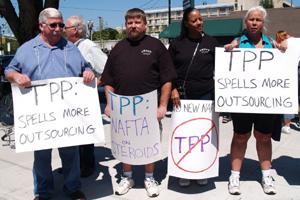
 January 2014 marked the twenty-year anniversary of the North American Free Trade Agreement (NAFTA), a pact that has had devastating consequences for people and the environment in all three countries (the US, Canada, and Mexico) and beyond. The pending Trans-Pacific Partnership (TPP) has been described as “NAFTA on Steroids,”and threatens to:
 We are please to announce that our annual volunteer award goes to Wes Brain from Ashland, OR, who has been a leader for trade justice with the Oregon Fair Trade Campaign (ORFTC) before we were ORFTC. The Alliance for Sustainable Jobs and the Environment (ASJE) in Oregon was the precursor to ORFTC and was founded in 1999. Wes Brain was one of the first elected board of directors, representing the labor caucus. The Alliance for Sustainable Jobs and the Environment brought together rank-and-file laborers and environmental activists in a strategic alliance that worked to challenge economic policies that destroy good jobs and a healthy environment. As ORFTC does today, ASJE worked to build a world where nature is protected, the worker is respected, and unrestrained corporate power is rejected though grassroots organizing, education, and action. Wes has been at the forefront of the trade justice battle, sharing his talent for bringing together unlikely allies for the mutual and far-reaching benefits of our coalition. He has been the lead organizer on multiple trade justice demonstrations, educational events and lobby visits. He has housed, fed and trained ORFTC organizers, fundraised for the coalition, and helped shape its direction.
  By Laura Bolaños-Ramirez, Portland Jobs with Justice & ORFTC Intern
 At the Oregon AFL-CIO 2013 Convention this weekend in Bend, OR delegates voted unanimously for

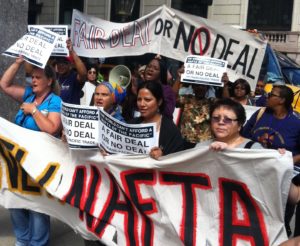
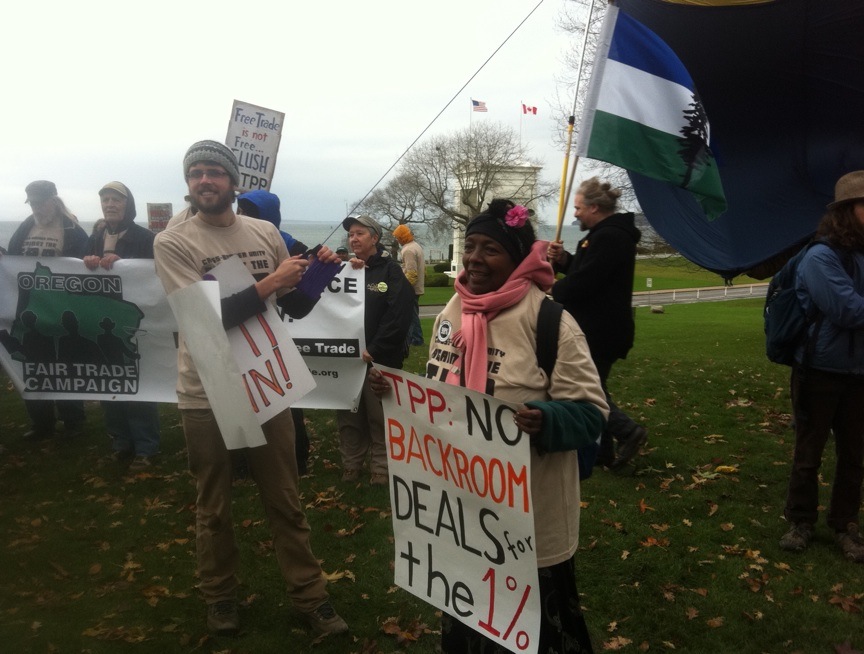
 Fair trade activists put the spotlight on secretive international trade negotiations in Vancouver B.C.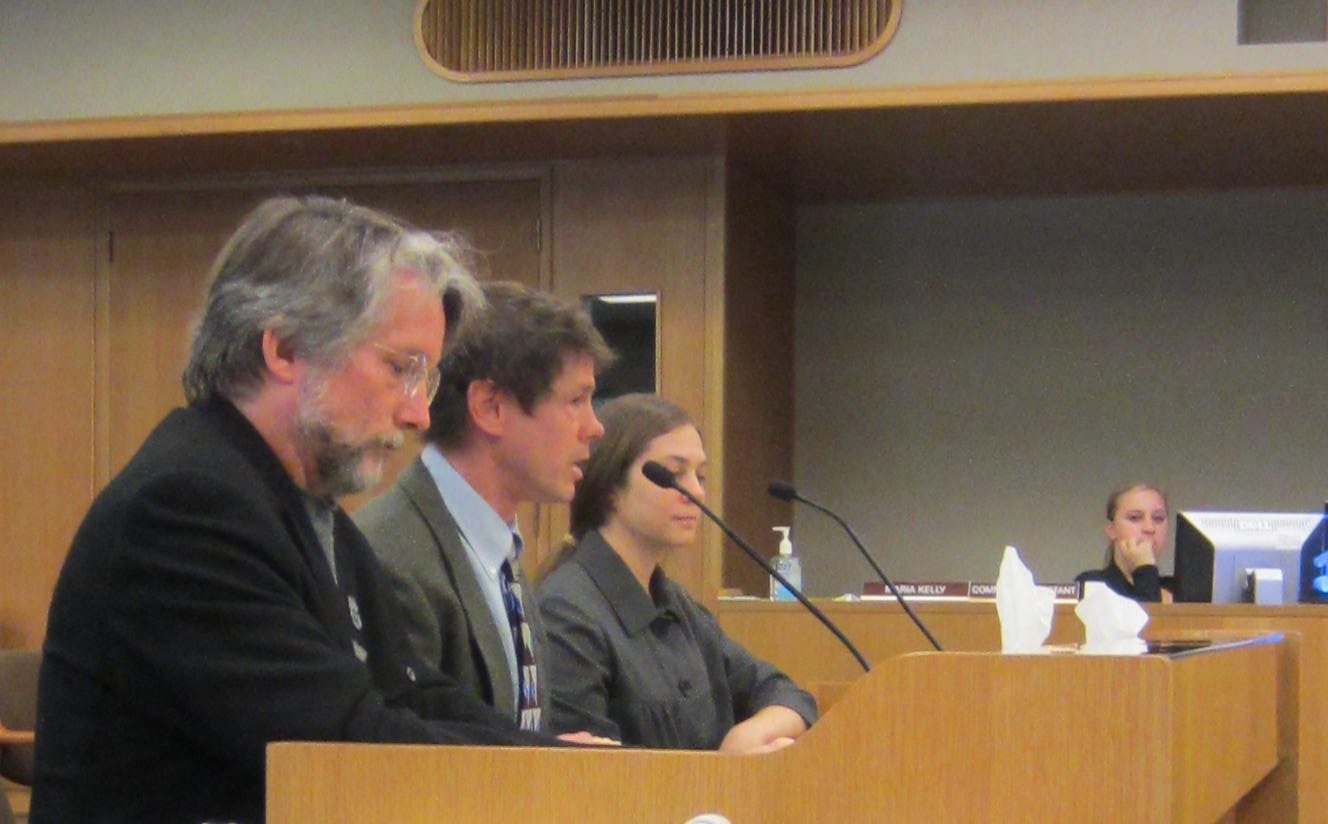
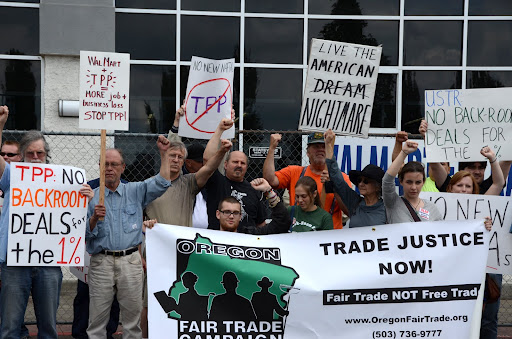
 Corporations that benefit from NAFTA-style trade deals have long tried to frame the trade policy debate as one of being “for trade” or “against trade.” The implication has been that there is no alternative to business-as-usual trade pacts other than just folding up shop and ending trade altogether.